Voltaren
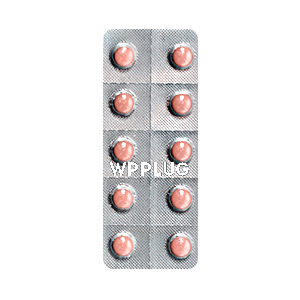
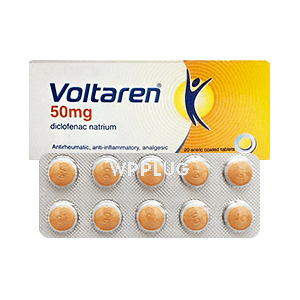
Voltaren is NSAID, it reduces inflammation and pain in patients with arthritis or acute injury.
| Product dosage: 100mg | |||
|---|---|---|---|
| Package (num) | Per pill | Price | Buy |
| 90 | $0.49 | $44.00 (0%) | 🛒 Add to cart |
| 180 | $0.39 | $88.00 $70.00 (20%) | 🛒 Add to cart |
| 270 | $0.35 | $132.00 $94.00 (29%) | 🛒 Add to cart |
| 360 | $0.34
Best per pill | $176.00 $121.00 (31%) | 🛒 Add to cart |
| Product dosage: 50mg | |||
|---|---|---|---|
| Package (num) | Per pill | Price | Buy |
| 180 | $0.31 | $56.00 (0%) | 🛒 Add to cart |
| 360 | $0.27
Best per pill | $112.00 $97.00 (13%) | 🛒 Add to cart |
Similar products
Voltaren: Advanced Topical Relief for Joint and Muscle Pain
Voltaren (diclofenac sodium) represents a significant advancement in targeted pain management, offering prescription-strength relief through a sophisticated topical delivery system. As a nonsteroidal anti-inflammatory drug (NSAID) available in gel, cream, and patch formulations, it provides localized treatment for osteoarthritis pain and acute musculoskeletal injuries. This medication works by inhibiting cyclooxygenase (COX) enzymes at the application site, reducing prostaglandin production and addressing pain at its inflammatory source. Clinical studies demonstrate its efficacy in improving mobility and reducing pain scores while minimizing systemic exposure compared to oral NSAIDs.
Features
- Contains diclofenac sodium 1% or 2.32% depending on formulation
- Patented carrier technology enhancing skin penetration
- Alcohol-free gel base for reduced skin irritation
- Multiple application formats (gel, cream, emulsion, patch)
- Prescription-strength formulation available OTC in many regions
- Targeted delivery system with minimal systemic absorption
- Stable chemical composition with 24-month shelf life
- Odorless and non-greasy application
Benefits
- Provides targeted relief directly at pain sites without significant bloodstream exposure
- Reduces inflammation at the cellular level by inhibiting prostaglandin synthesis
- Improves joint mobility and functional capacity in osteoarthritis patients
- Minimizes gastrointestinal risks associated with oral NSAIDs
- Offers flexible dosing with multiple application formats
- Rapid onset of action with therapeutic concentrations achieved within hours
Common use
Voltaren is primarily indicated for the treatment of osteoarthritis pain in joints amenable to topical treatment, such as the knees, hands, and elbows. It is also commonly used for acute pain relief in musculoskeletal injuries including sprains, strains, and tendinitis. Rheumatologists frequently recommend it as first-line therapy for localized inflammatory conditions where systemic NSAIDs might pose risks. The medication has shown particular effectiveness in managing chronic degenerative joint diseases where long-term pain control is necessary.
Dosage and direction
For osteoarthritis pain: Apply 4g of gel (1% formulation) to affected joint four times daily. For the 2.32% formulation, apply 2g twice daily. Gently massage into skin until absorbed. Wash hands after application unless treating hands. Do not apply to open wounds or damaged skin. Allow treated area to dry completely before covering with clothing. Maximum daily dose should not exceed 32g for lower strength or 8g for higher strength formulations. Treatment duration should be periodically reevaluated based on therapeutic response.
Precautions
Avoid contact with eyes and mucous membranes. Do not apply with occlusive dressings unless directed by physician. Monitor for skin reactions including dermatitis, itching, or dryness. Use with caution in patients with aspirin-sensitive asthma or history of NSAID intolerance. Patients with hepatic impairment require careful monitoring. Sun exposure should be minimized on treated areas due to potential photosensitivity. Elderly patients may require reduced frequency of application due to decreased skin barrier function.
Contraindications
Hypersensitivity to diclofenac, aspirin, or other NSAIDs. Patients with history of asthma, urticaria, or allergic-type reactions after taking NSAIDs. Application to infected or exfoliative skin conditions. Third trimester of pregnancy. Severe renal impairment (creatinine clearance <30 mL/min). Recent coronary artery bypass graft surgery. Active gastrointestinal bleeding or ulceration.
Possible side effects
Common (≥1%): Application site reactions (dryness, itching, erythema). Uncommon (0.1-1%): Contact dermatitis, photosensitivity reactions. Rare (<0.1%): Systemic effects including headache, gastrointestinal discomfort. Very rare: Serious skin reactions (Stevens-Johnson syndrome, toxic epidermal necrolysis), cardiovascular events, hepatic enzyme elevations. Most local reactions are mild and transient, typically resolving with continued use.
Drug interaction
May interact with oral NSAIDs increasing risk of adverse effects. Concurrent use with anticoagulants may potentiate bleeding risk. ACE inhibitors and angiotensin II receptor antagonists: reduced antihypertensive effect. Diuretics: possible reduced diuretic efficacy. Cyclosporine: increased nephrotoxicity risk. Topical corticosteroids: potential enhanced absorption. SSRIs: increased bleeding tendency. Monitoring is recommended when used concomitantly with these medications.
Missed dose
Apply as soon as remembered unless close to next scheduled dose. Do not double dose to make up for missed application. Maintain regular application schedule for consistent therapeutic levels. If multiple doses are missed, resume normal dosing schedule without compensation.
Overdose
Topical overdose may cause systemic NSAID effects including nausea, vomiting, headache, drowsiness, or epigastric pain. In case of accidental ingestion, seek immediate medical attention. For excessive topical application, wash affected area thoroughly with soap and water. Symptomatic and supportive treatment is recommended. Hemodialysis is not effective due to high protein binding.
Storage
Store at room temperature (15-30°C). Keep tube tightly closed when not in use. Protect from light and moisture. Do not freeze. Keep out of reach of children. Discard any medication that has changed color or consistency. Do not transfer to other containers.
Disclaimer
This information does not replace professional medical advice. Consult healthcare provider for diagnosis and appropriate treatment. Use only as directed. Individual results may vary. Not all side effects are listed here. Report any adverse reactions to your physician immediately.
Reviews
Clinical trials demonstrate 60-70% of osteoarthritis patients experience significant pain reduction within 2 weeks. Dermatological studies show favorable tolerability profile with low discontinuation rates due to adverse events. Rheumatologists consistently rate Voltaren as first-choice topical NSAID for localized inflammatory conditions. Patient satisfaction surveys indicate high compliance rates due to convenience and reduced systemic side effects compared to oral alternatives.