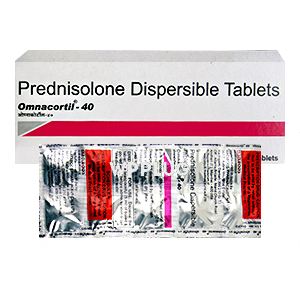
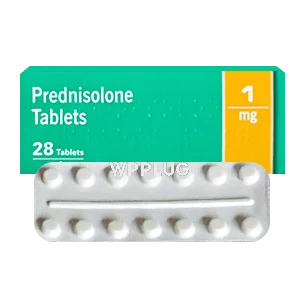
Prednisolone
Prednisolone is used for treating allergies, arthritis, breathing problems (e.g., asthma), certain blood disorders, collagen diseases (e.g., lupus), certain eye diseases (e.g., keratitis), cancer (e.g., leukemia), endocrine problems (e.g., adrenocortical insufficiency), intestinal problems (e.g., ulcerative colitis), swelling due to certain conditions, or skin conditions (e.g., psoriasis).
| Product dosage: 10mg | |||
|---|---|---|---|
| Package (num) | Per pill | Price | Buy |
| 10 | $4.50 | $45.00 (0%) | 🛒 Add to cart |
| 20 | $2.50 | $90.00 $50.00 (44%) | 🛒 Add to cart |
| 30 | $1.83 | $135.00 $55.00 (59%) | 🛒 Add to cart |
| 60 | $1.00 | $270.00 $60.00 (78%) | 🛒 Add to cart |
| 90 | $0.78 | $405.00 $70.00 (83%) | 🛒 Add to cart |
| 120 | $0.71 | $540.00 $85.00 (84%) | 🛒 Add to cart |
| 180 | $0.61 | $810.00 $110.00 (86%) | 🛒 Add to cart |
| 270 | $0.56 | $1215.00 $150.00 (88%) | 🛒 Add to cart |
| 360 | $0.47
Best per pill | $1620.00 $170.00 (90%) | 🛒 Add to cart |
| Product dosage: 20mg | |||
|---|---|---|---|
| Package (num) | Per pill | Price | Buy |
| 10 | $5.00 | $50.00 (0%) | 🛒 Add to cart |
| 20 | $2.75 | $100.00 $55.00 (45%) | 🛒 Add to cart |
| 30 | $2.00 | $150.00 $60.00 (60%) | 🛒 Add to cart |
| 60 | $1.08 | $300.00 $65.00 (78%) | 🛒 Add to cart |
| 90 | $1.00 | $450.00 $90.00 (80%) | 🛒 Add to cart |
| 120 | $0.83 | $600.00 $100.00 (83%) | 🛒 Add to cart |
| 180 | $0.72 | $900.00 $130.00 (86%) | 🛒 Add to cart |
| 270 | $0.59 | $1350.00 $160.00 (88%) | 🛒 Add to cart |
| 360 | $0.49
Best per pill | $1800.00 $175.00 (90%) | 🛒 Add to cart |
| Product dosage: 40mg | |||
|---|---|---|---|
| Package (num) | Per pill | Price | Buy |
| 10 | $6.00 | $60.00 (0%) | 🛒 Add to cart |
| 20 | $3.25 | $120.00 $65.00 (46%) | 🛒 Add to cart |
| 30 | $2.33 | $180.00 $70.00 (61%) | 🛒 Add to cart |
| 60 | $1.33 | $360.00 $80.00 (78%) | 🛒 Add to cart |
| 90 | $1.11 | $540.00 $100.00 (81%) | 🛒 Add to cart |
| 120 | $1.00 | $720.00 $120.00 (83%) | 🛒 Add to cart |
| 180 | $0.83 | $1080.00 $150.00 (86%) | 🛒 Add to cart |
| 270 | $0.65 | $1620.00 $175.00 (89%) | 🛒 Add to cart |
| 360 | $0.58
Best per pill | $2160.00 $210.00 (90%) | 🛒 Add to cart |
Similar products
Prednisolone: Potent Anti-Inflammatory Relief for Immune-Mediated Conditions
Prednisolone is a potent synthetic glucocorticoid medication widely utilized in clinical practice for its robust anti-inflammatory and immunosuppressive properties. As a cornerstone therapy in managing numerous acute and chronic conditions, it modifies the body’s immune response and reduces inflammation at the cellular level. Its efficacy spans multiple medical specialties, from rheumatology and pulmonology to dermatology and hematology, making it an indispensable tool for physicians. Proper understanding of its pharmacokinetics, indications, and safety profile is essential for optimizing therapeutic outcomes while minimizing risks.
Features
- Synthetic glucocorticoid with intermediate duration of action
- High glucocorticoid and minimal mineralocorticoid activity
- Available in multiple formulations: oral tablets, liquid solutions, ophthalmic suspensions, and topical preparations
- Rapid oral absorption with peak plasma concentrations achieved within 1-2 hours
- Hepatic metabolism to inactive compounds with renal excretion
- Crosses the placenta and is excreted in breast milk
Benefits
- Rapid suppression of inflammatory and allergic reactions through multiple pathways
- Effective control of autoimmune disorders by modulating immune cell function
- Significant reduction in edema and tissue damage in acute inflammatory conditions
- Prevention of organ rejection in transplant patients when used as part of immunosuppressive regimens
- Improvement in respiratory function in severe asthma and COPD exacerbations
- Resolution of dermatological conditions including severe eczema and pemphigus
Common use
Prednisolone is indicated for a broad spectrum of conditions requiring anti-inflammatory or immunosuppressive intervention. In rheumatology, it’s fundamental for managing rheumatoid arthritis, systemic lupus erythematosus, and polymyalgia rheumatica. Pulmonologists utilize it for severe asthma exacerbations, sarcoidosis, and organizing pneumonia. Dermatological applications include severe contact dermatitis, pemphigus vulgaris, and erythema multiforme major. Hematologic uses encompass autoimmune hemolytic anemia, idiopathic thrombocytopenic purpura, and leukemia/lymphoma protocols. Additionally, it’s crucial in managing adrenal insufficiency, allergic conditions unresponsive to conventional therapy, and inflammatory bowel disease flare-ups.
Dosage and direction
Dosage must be individualized based on disease severity, patient response, and clinical context. For anti-inflammatory effects: 5-60 mg daily in divided doses. For immunosuppression: higher doses may be required, often 1-2 mg/kg/day. Always initiate at the lowest effective dose and taper gradually based on clinical response. Morning administration mimics natural cortisol rhythm and reduces HPA axis suppression. For chronic therapy, alternate-day dosing may minimize adverse effects. Never discontinue abruptly after prolonged use due to risk of adrenal insufficiency. Specific conditions require specialized protocols: asthma exacerbations typically require 40-60 mg daily for 5-7 days, while rheumatoid arthritis may be managed with 5-10 mg daily.
Precautions
Monitor blood glucose regularly, especially in diabetic patients, as prednisolone can cause hyperglycemia. Assess bone density periodically with long-term therapy and consider calcium/vitamin D supplementation. Monitor for signs of infection as immunosuppression may mask symptoms. Use with caution in patients with hypertension, heart failure, or recent myocardial infarction due to fluid retention effects. Ophthalmic examinations are recommended with prolonged use to monitor for cataracts and glaucoma. Psychiatric monitoring is essential as mood disturbances may occur. Electrolyte balance should be monitored, particularly potassium levels. Growth suppression in children requires careful height monitoring.
Contraindications
Absolute contraindications include systemic fungal infections and known hypersensitivity to prednisolone or any component of the formulation. Live virus vaccinations are contraindicated during therapy. Relative contraindications require careful risk-benefit assessment: active peptic ulcer disease, uncontrolled diabetes mellitus, severe osteoporosis, uncontrolled hypertension, psychotic disorders, active tuberculosis, ocular herpes simplex, and untreated bacterial infections. Special caution required in patients with diverticulitis, fresh intestinal anastomoses, and renal insufficiency.
Possible side effect
Common side effects include fluid retention, weight gain, hypertension, glucose intolerance, and mood changes. Gastrointestinal effects may include peptic ulceration, pancreatitis, and esophageal candidiasis. Dermatological manifestations include impaired wound healing, skin atrophy, ecchymoses, and hirsutism. Musculoskeletal complications encompass osteoporosis, vertebral compression fractures, avascular necrosis, and myopathy. Ophthalmic effects include posterior subcapsular cataracts, increased intraocular pressure, and exophthalmos. Endocrine manifestations include hypothalamic-pituitary-adrenal axis suppression, Cushingoid state, and growth suppression in children. Metabolic effects may include hypokalemia, alkalosis, and hyperlipidemia.
Drug interaction
Significant interactions occur with CYP3A4 inducers (rifampin, phenytoin, carbamazepine) which reduce prednisolone efficacy. CYP3A4 inhibitors (ketoconazole, clarithromycin) may increase levels and toxicity. Concurrent NSAIDs increase gastrointestinal ulcer risk. Anticoagulant effects may be altered requiring close INR monitoring. Diuretics may exacerbate hypokalemia. Live vaccines may have reduced efficacy and are generally contraindicated. Insulin and oral hypoglycemics may require dosage adjustment due to hyperglycemic effects. QT-prolonging agents may have enhanced effects. Amphotericin B may worsen hypokalemia.
Missed dose
If a dose is missed and remembered within a few hours, take it as soon as possible. If it’s almost time for the next dose, skip the missed dose and resume the regular schedule. Never double the dose to make up for a missed one. For patients on alternate-day therapy, if a dose is missed, consult the prescribing physician for guidance on rescheduling. Maintain careful dosing records to ensure proper adherence to tapering schedules, particularly when discontinuing therapy.
Overdose
Acute overdose is unlikely to cause life-threatening effects but may exacerbate typical side effects. Management is supportive and symptomatic. Gastric lavage may be considered if ingestion was recent. Monitor electrolyte balance, particularly potassium, and correct abnormalities. Hyperglycemia may require insulin therapy. Hypertension should be managed conventionally. There is no specific antidote; hemodialysis is not effective due to high protein binding. Chronic overdose manifests as Cushing’s syndrome and requires gradual dose reduction under medical supervision.
Storage
Store at controlled room temperature (20-25°C/68-77°F) in the original container. Protect from light and moisture. Keep tightly closed and do not remove desiccant if present. Oral solutions should not be frozen. Keep all medications out of reach of children and pets. Do not use beyond the expiration date. Properly dispose of unused medication through take-back programs or according to FDA guidelines. Do not flush medications unless specifically instructed.
Disclaimer
This information is for educational purposes only and does not constitute medical advice. Always consult a qualified healthcare professional for diagnosis and treatment decisions. The prescribing physician should determine appropriate therapy based on individual patient factors. This monograph is not exhaustive and may not include all possible information about this medication. Healthcare providers should reference full prescribing information and clinical guidelines when making treatment decisions.
Reviews
Clinical studies demonstrate prednisolone’s efficacy across multiple indications. In rheumatoid arthritis trials, 5-10 mg daily produced significant improvement in joint swelling and pain scores. Asthma studies show 40 mg daily for 5 days reduces relapse rates by 60% compared to placebo. Dermatological trials demonstrate complete clearance in 80% of severe eczema cases within 2-3 weeks. Systematic reviews confirm its role as first-line therapy for acute exacerbations of inflammatory bowel disease. Long-term observational studies note the importance of careful monitoring for adverse effects, particularly with doses exceeding 7.5 mg daily for extended periods.