Diclofenac: Potent Pain Relief and Anti-Inflammatory Action
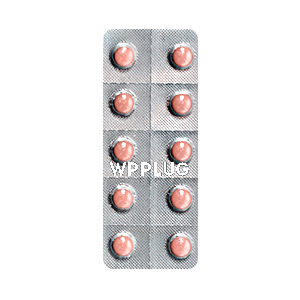
Diclofenac
| Product dosage: 100mg | |||
|---|---|---|---|
| Package (num) | Per pill | Price | Buy |
| 90 | $0.54 | $49.00 (0%) | 🛒 Add to cart |
| 180 | $0.41 | $98.00 $73.00 (26%) | 🛒 Add to cart |
| 270 | $0.37 | $147.00 $99.00 (33%) | 🛒 Add to cart |
| 360 | $0.34
Best per pill | $196.00 $121.00 (38%) | 🛒 Add to cart |
| Product dosage: 50mg | |||
|---|---|---|---|
| Package (num) | Per pill | Price | Buy |
| 180 | $0.37 | $67.00 (0%) | 🛒 Add to cart |
| 270 | $0.33 | $100.50 $88.00 (12%) | 🛒 Add to cart |
| 360 | $0.31
Best per pill | $134.00 $110.00 (18%) | 🛒 Add to cart |
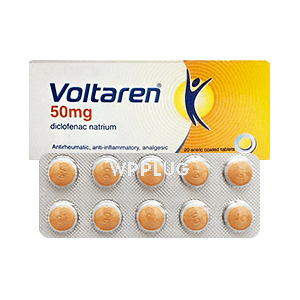
Diclofenac is a widely prescribed nonsteroidal anti-inflammatory drug (NSAID) renowned for its potent analgesic, anti-inflammatory, and antipyretic properties. As a cornerstone in the management of acute and chronic pain conditions, it effectively inhibits cyclooxygenase enzymes (COX-1 and COX-2), reducing the production of prostaglandins responsible for pain, swelling, and fever. Its well-established efficacy and favorable risk-benefit profile make it a first-line therapeutic option for numerous musculoskeletal and inflammatory disorders under appropriate medical supervision.
Features
- Chemical name: 2-[(2,6-dichlorophenyl)amino] benzeneacetic acid
- Available formulations: oral tablets (including delayed-release and extended-release), topical gels, patches, ophthalmic solutions, and suppositories
- Mechanism of action: non-selective inhibition of cyclooxygenase (COX-1 and COX-2) enzymes
- Half-life: approximately 2 hours (short, but tissue persistence allows for less frequent dosing in some formulations)
- Bioavailability: ~50-60% orally due to first-pass metabolism; significantly higher with topical application to affected areas
- Protein binding: >99%, primarily to albumin
- Metabolism: hepatic, primarily via CYP2C9, with major metabolites being 4’-hydroxy-diclofenac and 5-hydroxy-diclofenac
- Excretion: primarily urinary (65%) and biliary (35%)
Benefits
- Provides rapid and effective relief from moderate to severe pain associated with inflammatory conditions
- Significantly reduces joint swelling, stiffness, and tenderness in arthritic conditions
- Improves mobility and functional capacity in patients with osteoarthritis and rheumatoid arthritis
- Offers multiple administration routes for tailored therapy (oral, topical, rectal)
- Demonstrates cost-effectiveness compared to some newer NSAIDs and COX-2 inhibitors
- Available in both prescription and over-the-counter formulations in various regions
Common use
Diclofenac is commonly prescribed for the management of osteoarthritis, rheumatoid arthritis, ankylosing spondylitis, and acute musculoskeletal pain. It is frequently used for postoperative pain management, dental pain, and dysmenorrhea. Topical formulations are particularly valuable for localized pain relief in osteoarthritis of superficial joints and soft tissue injuries. The ophthalmic solution is indicated for postoperative inflammation following cataract surgery and for the treatment of seasonal allergic conjunctivitis.
Dosage and direction
Oral tablets: Typically 50 mg two to three times daily or 75 mg twice daily for most conditions, with maximum daily dose not exceeding 150 mg. Extended-release formulations: 100 mg once daily. Topical gel: Apply 4g to affected area four times daily (maximum 32g per day for lower extremities, 16g for upper extremities). Ophthalmic solution: One drop in affected eye(s) four times daily. Always take with food or milk to minimize gastrointestinal irritation. Do not crush or chew extended-release tablets. For topical applications, apply to intact skin only and avoid contact with eyes and mucous membranes.
Precautions
Use the lowest effective dose for the shortest duration possible. Monitor renal function periodically during long-term therapy, especially in elderly patients or those with pre-existing renal impairment. Assess cardiovascular risk before initiation and periodically during treatment. Avoid concomitant use with other NSAIDs, including over-the-counter products. Use with caution in patients with hypertension, heart failure, or edema. Regular monitoring of liver enzymes is recommended during prolonged therapy. Patients should be advised to report any signs of gastrointestinal bleeding, skin reactions, or unexplained weight gain.
Contraindications
Hypersensitivity to diclofenac, aspirin, or other NSAIDs. History of asthma, urticaria, or allergic-type reactions after taking aspirin or other NSAIDs. Peri-operative pain in setting of coronary artery bypass graft (CABG) surgery. Third trimester of pregnancy. Active gastrointestinal bleeding or ulceration. Severe hepatic impairment or active liver disease. Severe heart failure. Estimated glomerular filtration rate (eGFR) <30 mL/min/1.73m².
Possible side effect
Common: Dyspepsia (10-20%), nausea (5-15%), abdominal pain (5-10%), diarrhea (5-10%), headache (5-10%). Less common: Elevation of liver enzymes (2-5%), dizziness (2-5%), fluid retention (2-5%), skin rash (1-3%). Serious but rare: Gastrointestinal bleeding (<1%), hepatotoxicity (<1%), acute renal failure (<1%), Stevens-Johnson syndrome (<0.1%), anaphylactic reactions (<0.1%), cardiovascular thrombotic events. Topical formulations may cause local reactions including dryness, itching, and erythema at application site.
Drug interaction
Significant interactions occur with: anticoagulants (increased bleeding risk), ACE inhibitors and ARBs (reduced antihypertensive effect, risk of renal impairment), diuretics (reduced diuretic efficacy, risk of renal impairment), lithium (increased lithium levels), methotrexate (increased methotrexate toxicity), cyclosporine (increased nephrotoxicity), other NSAIDs (additive toxicity), SSRIs (increased bleeding risk), corticosteroids (increased GI ulcer risk). Moderate CYP2C9 inhibitors may increase diclofenac concentrations.
Missed dose
If a dose is missed, take it as soon as remembered unless it is almost time for the next scheduled dose. Do not double the dose to make up for a missed one. For extended-release formulations taken once daily, if missed, take as soon as remembered unless the next dose is due within 12 hours. Maintain regular dosing schedule; do not take extra medicine to compensate for a missed dose.
Overdose
Symptoms may include nausea, vomiting, epigastric pain, gastrointestinal bleeding, drowsiness, dizziness, tinnitus, apnea, metabolic acidosis, coma, convulsions, and acute renal failure. Management is supportive and symptomatic. Gastric lavage may be considered if presented within 4 hours of ingestion. Activated charcoal may be effective. Hemodialysis is not effective due to high protein binding. Forced diuresis, alkalinization of urine, or hemoperfusion are unlikely to be beneficial. Monitor and support vital functions, particularly renal function and electrolyte balance.
Storage
Store at room temperature (15-30°C or 59-86°F) in original container, protected from light and moisture. Keep tightly closed when not in use. Do not freeze. Keep all medications out of reach of children and pets. Do not store in bathroom cabinets due to humidity fluctuations. Discard any unused medication after expiration date. For topical formulations, ensure tube or container is tightly closed after each use to prevent drying.
Disclaimer
This information is provided for educational purposes only and does not constitute medical advice. Always consult with a qualified healthcare professional before starting, changing, or stopping any medication. The prescribing physician should be aware of the patient’s complete medical history, current medications, and individual risk factors. Proper diagnosis and monitoring are essential for safe and effective use. Never share prescription medications with others.
Reviews
Clinical studies consistently demonstrate diclofenac’s efficacy in pain management, with meta-analyses showing superior pain relief compared to placebo and comparable efficacy to other NSAIDs. Systematic reviews note its effectiveness in improving physical function in osteoarthritis patients. Many rheumatologists consider it a first-line option for inflammatory arthritis. Patient satisfaction surveys indicate good tolerability when used appropriately, though gastrointestinal side effects remain a concern for some users. Long-term observational studies confirm its position as a well-established therapeutic option with a predictable safety profile when used according to guidelines.